Emly Header

Algorithmic Trading and Portfolio Management for

BFSI

Algorithmic trading and portfolio management leverage sophisticated algorithms to analyze vast amounts of financial data. This analysis helps financial institutions make informed investment decisions and construct optimal portfolios. By automating tasks and incorporating complex calculations, these tools improve efficiency and potentially generate superior returns.

Need  expert advice on Algorithmic Trading?
Our AI specialists are here to help. Fill out the form below to schedule a call and get personalized guidance on how to leverage AI for your specific needs.

[wpforms id="18678"]

Challenge

Predicting market movements and optimizing portfolio performance is a significant challenge. Financial institutions and investors often struggle with the complexities of market volatility, risk management, and achieving consistent returns. This uncertainty can lead to missed opportunities, suboptimal investment decisions, and potential financial losses.

Solution

Algorithmic trading and portfolio management powered by AI offer a data-driven approach to navigating the complexities of financial markets. By analyzing historical market data, news sentiment, economic indicators, and other external factors, AI provides invaluable insights into market trends and investment opportunities. This allows for strategic planning and optimized trading strategies, offering a competitive edge in the BFSI sector.

Insights That Matter
magnify-icon
Uncover New Trading Opportunities or Undervalued Assets
magnify-icon
Identify and Mitigate Potential Losses Before they Occur.
magnify-icon
Ultra-Customized Portfolios Based On Individual Investor's Financial Goals and Risk Tolerance

Benefits

Integrating AI into algorithmic trading and portfolio management revolutionizes traditional trading approaches with sophisticated, data-driven strategies. Financial institutions can navigate market complexities, optimize returns, and manage risks more effectively. AI-powered tools enhance decision-making processes, contributing to sustained financial growth and stability.

Direct Benefits
Indirect Benefits

Good Practices to Build Algorithmic Trading and Portfolio Management

1. Build Right Team

Creating an effective algorithmic trading and portfolio management solution demands a well-rounded team with specialized skills. Crafting a successful strategy hinges on assembling the right expertise. Here are two pivotal roles essential for this endeavor,

  • Financial Analysts with deep insights into financial markets, adept at analyzing trends, and understanding risk management strategies.
  • Data Science experts specializing in quantitative finance and data analysis to enhance trading strategies and optimize portfolio performance.


Recommendation: Build your own AI capability
Upskill your existing workforce. Modern, user-friendly AI technologies enable non-technical individuals to develop AI solutions. To ensure successful implementation, hands-on AI training should be provided to all team members, from business teams to supply chain experts. This approach not only leverages current talent but also delivers direct value by bring in valuable business insights to build better demand forecasting solution.

Identify Right Data

Accumulating precise data is crucial for crafting a robust algorithmic trading and portfolio management strategy in BFSI. Integrating a blend of external and internal data sources offers a comprehensive grasp of the variables influencing trading decisions and portfolio performance. Here are key suggestions,

Internal Data 
  • Transaction Data
  • Customer Data
  • Risk Metrics
External Data
  • Historical Market Data
  • Real-time Market Data
  • Economic Indicators
  • Sentiment Analysis Data
  • Macro-Financial Data
  • Financial Statement

You can use our Emly Labs Data Scout GPT for identifying data for training your AI models, with clear, actionable advice.

Define Objectives

Establishing clear objectives and goals is paramount for achieving success in algorithmic trading and portfolio management within BFSI. By aligning these goals with overall business strategy and defining measurable targets, financial institutions can enhance the precision and efficiency of their trading algorithms and portfolio management strategies.

    • Align with business strategy to support overall growth and efficiency.
    • Set specific and measurable goals using SMART criteria.
    • Determine key performance indicators (KPIs) like forecast accuracy and inventory turnover.
    • Establish short-term, medium-term, and long-term forecasting periods.
    • Compare new forecasting methods with existing ones to gauge improvement.
    • Define ROI goals to evaluate the financial benefits of improved forecasting

Choose the Right Tools

Right tools can significantly improve chances of successful implementation. They facilitate collaboration, rapid experimentation and provide clear, understandable insights. 

    1. Don’t reinvent the wheel; leverage existing, proven AI tools that save time and effort.
    2. Accessibility: Choose tools that are user-friendly and can be used by the entire team.
    3. Clarity: Opt for tools that are easy to understand for users of all skill levels.
    4. Collaboration: Select tools that support teamwork across different departments.
    5. Cost-Effectiveness: Implement tools that are affordable and offer good value.
    6. Experimentation: Use tools that allow for rapid testing and iteration of models.
    7. Explainability: Choose tools that provide clear explanations for forecasts to build trust and understanding among users.

Adopt Industry Best Practices with Emly Labs

Explore how Emly Labs equips your team to deploy cutting-edge algorithmic trading and portfolio management techniques. Our platform integrates leading industry standards to streamline AI project management, enhancing efficiency, promoting teamwork, ensuring data precision, and generating actionable intelligence.

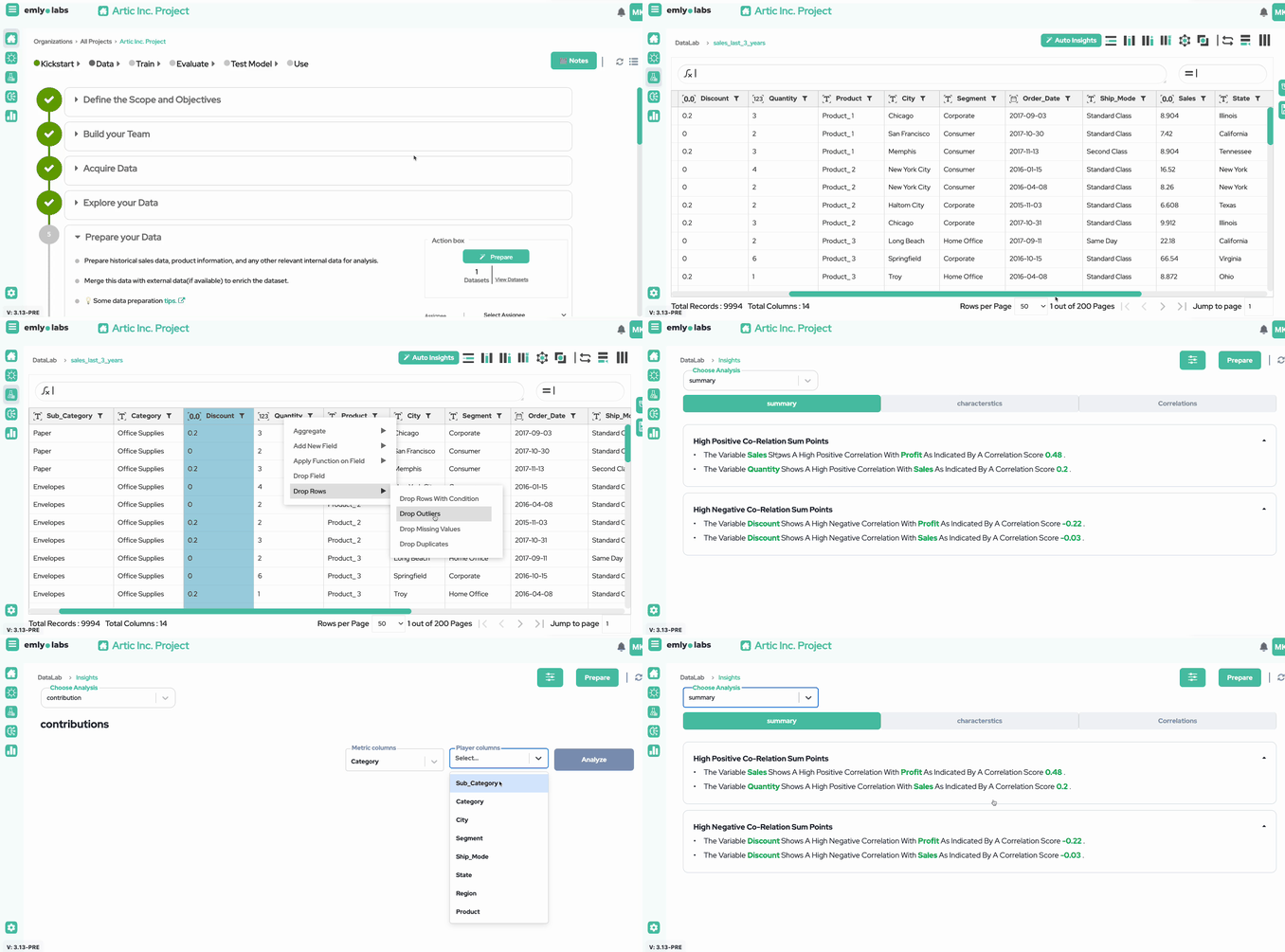
Manage Your AI Projects End-to-End
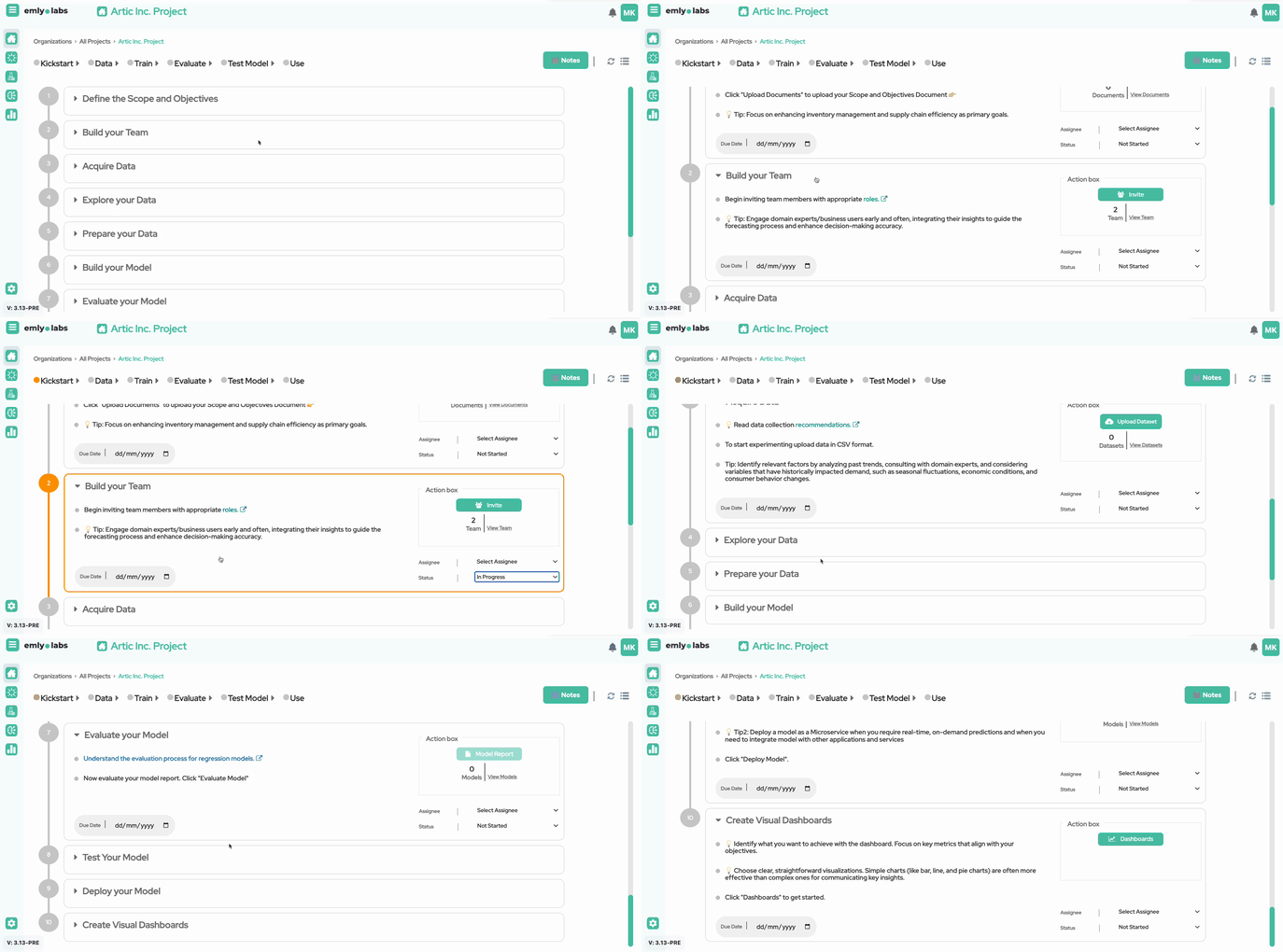
Explore, Prepare and Maintain Data Easily
Model Management: Experiment, Build and Maintain.
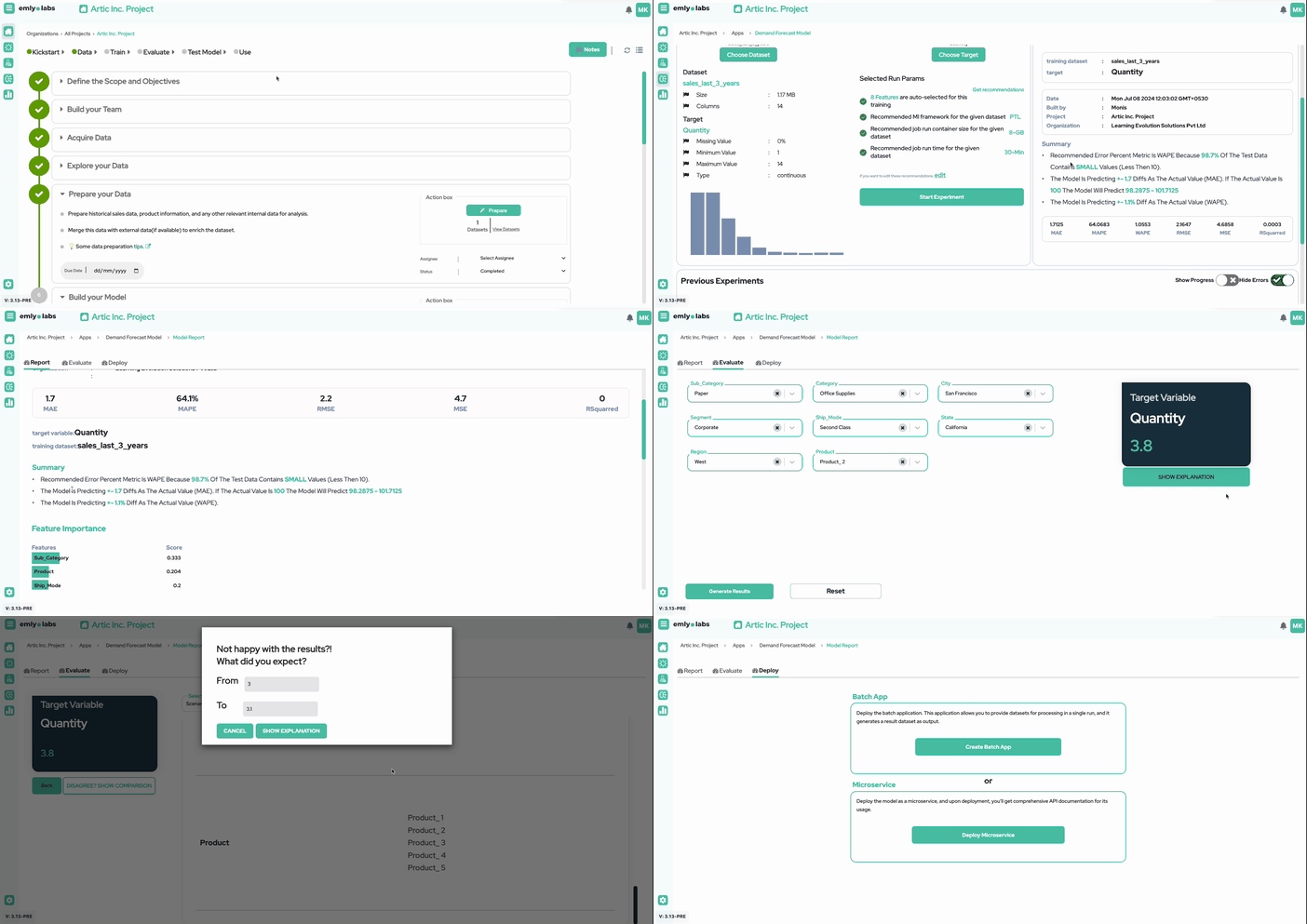
Transform Data into Stunning Vizual Stories

And the best part? You can achieve all this without writing a single line of code.

Explore Other

Case Studies

Smart risk level indicator rating

Risk Management and Credit Scoring

Risk management and credit scoring leverage advanced algorithms to evaluate a borrower’s creditworthiness. This analytical process enables financial institutions to make informed lending decisions and effectively manage risk. By automating tasks and incorporating comprehensive data analysis, these tools improve efficiency and accuracy in the credit assessment process, leading to faster loan approvals and better risk assessment.

Assessment business investment concept. Businessman touch risk management. Plan matrix control technology. Internet network forecast evaluation, international financial security strategy background

Fraud Detection and Prevention

Fraud detection and prevention in the BFSI sector require a multifaceted approach. Combining AI with traditional methods enhances the accuracy and efficiency of detecting fraudulent activities. Financial institutions must continuously adapt to new fraud tactics and invest in AI-driven solutions to stay ahead of fraudsters.

Start Now!

Begin Your Journey of AI-Augmented Decision Making with Emly’s Predictive AI

Image (17)