
Emly Header

Predictive Maintenance​ for

Manufacturing

Predictive maintenance uses data analytics and real-time monitoring to forecast equipment failures. By proactively scheduling maintenance, businesses can prevent unexpected breakdowns, reduce costs, and improve overall productivity. This approach minimizes downtime, extends equipment lifespan, and optimizes production efficiency.

Need  expert advice on Predictive Maintenance?
Our AI specialists are here to help. Fill out the form below to schedule a call and get personalized guidance on how to leverage AI for your specific needs.

[wpforms id="18678"]

Challenge

The manufacturing industry demands precision and attention to detail, as unexpected issues like machine failures or unplanned maintenance cause significant disruptions to production. These disruptions result in substantial losses in productivity, delayed schedules, and unforeseen costs for the business.

Solution

AI systems help manufacturers forecast when or if functional equipment will fail so its maintenance and repair can be scheduled before the failure occurs. AI systems also uncover the root cause that may lead to an untoward event, thus enabling continuous improvement in existing processes and work practices and increasing asset availability and lifetime.


Insights That Matter
magnify-icon
Early Fault Detection to Prevent Cascading Effect
magnify-icon
Equipment Degradation that Lead to Increased Energy Usage
magnify-icon
Identify previously unknown failure modes

Benefits

Implementing predictive maintenance directly benefits companies in achieving optimal production rates while avoiding costly downtime and maintenance expenses.

Direct Benefits
Indirect Benefits

Good Practices to Predict Maintenance of Equipment

Build Right Team

Creating a predictive maintenance solution for manufacturing involves assembling a diverse team with complementary skills. A balanced team ensures both technical accuracy and practical relevance. Here are two key roles to consider,

  • Domain Experts with a profound knowledge of manufacturing processes, equipment functionality, and maintenance protocols. They understand the nuances of operational dynamics, reliability requirements, and the impact of downtime on production efficiency.
  • Data Science experts skilled in processing sensor data, analyzing equipment performance metrics, and developing predictive maintenance models.


Recommendation: Build your own AI capability
Upskill your existing workforce. Modern, user-friendly AI technologies enable non-technical individuals to develop AI solutions. To ensure successful implementation, hands-on AI training should be provided to all team members, from business teams to supply chain experts. This approach not only leverages current talent but also delivers direct value by bring in valuable business insights to build better demand forecasting solution. 

Identify Right Data

Gathering the right data is crucial for building a precise and dependable AI-driven predictive maintenance system in manufacturing. Integrating a blend of internal operational data and external environmental factors offers a holistic view of equipment health and performance. Here are some recommendations,

Internal Data 
  • Sensor Data
  • Machine Log Data
  • Maintenance Records
  • Usage Data
  • Production Data
External Data
  • Environmental Data
  • Warranty Data

You can use our Emly Labs Data Scout GPT for identifying data for training your AI models, with clear, actionable advice.

Define Objectives

Defining clear objectives and goals is paramount for effective predictive maintenance in manufacturing. By aligning these with business objectives and establishing measurable targets, manufacturers can optimize equipment reliability, minimize downtime, and enhance overall operational efficiency.

  • Align with business strategy to support overall growth and efficiency.
  • Set specific and measurable goals using SMART criteria.
  • Determine key performance indicators (KPIs) like forecast accuracy and inventory turnover.
  • Establish short-term, medium-term, and long-term forecasting periods.
  • Compare new forecasting methods with existing ones to gauge improvement.
  • Define ROI goals to evaluate the financial benefits of improved forecasting.

Choose the Right Tools

Right tools can significantly improve chances of successful implementation. They facilitate collaboration, rapid experimentation and provide clear, understandable insights. 

  1. Don’t reinvent the wheel; leverage existing, proven AI tools that save time and effort.
  2. Accessibility: Choose tools that are user-friendly and can be used by the entire team.
  3. Clarity: Opt for tools that are easy to understand for users of all skill levels.
  4. Collaboration: Select tools that support teamwork across different departments.
  5. Cost-Effectiveness: Implement tools that are affordable and offer good value.
  6. Experimentation: Use tools that allow for rapid testing and iteration of models.
  7. Explainability: Choose tools that provide clear explanations for forecasts to build trust and understanding among users.

Adopt Industry Best Practices with Emly Labs

Learn how Emly Labs enables your manufacturing team to implement cutting-edge predictive maintenance techniques effectively. Our platform incorporates industry best practices to manage AI projects, driving productivity, encouraging collaboration, ensuring data accuracy, and delivering actionable insights for enhanced equipment reliability and operational efficiency.

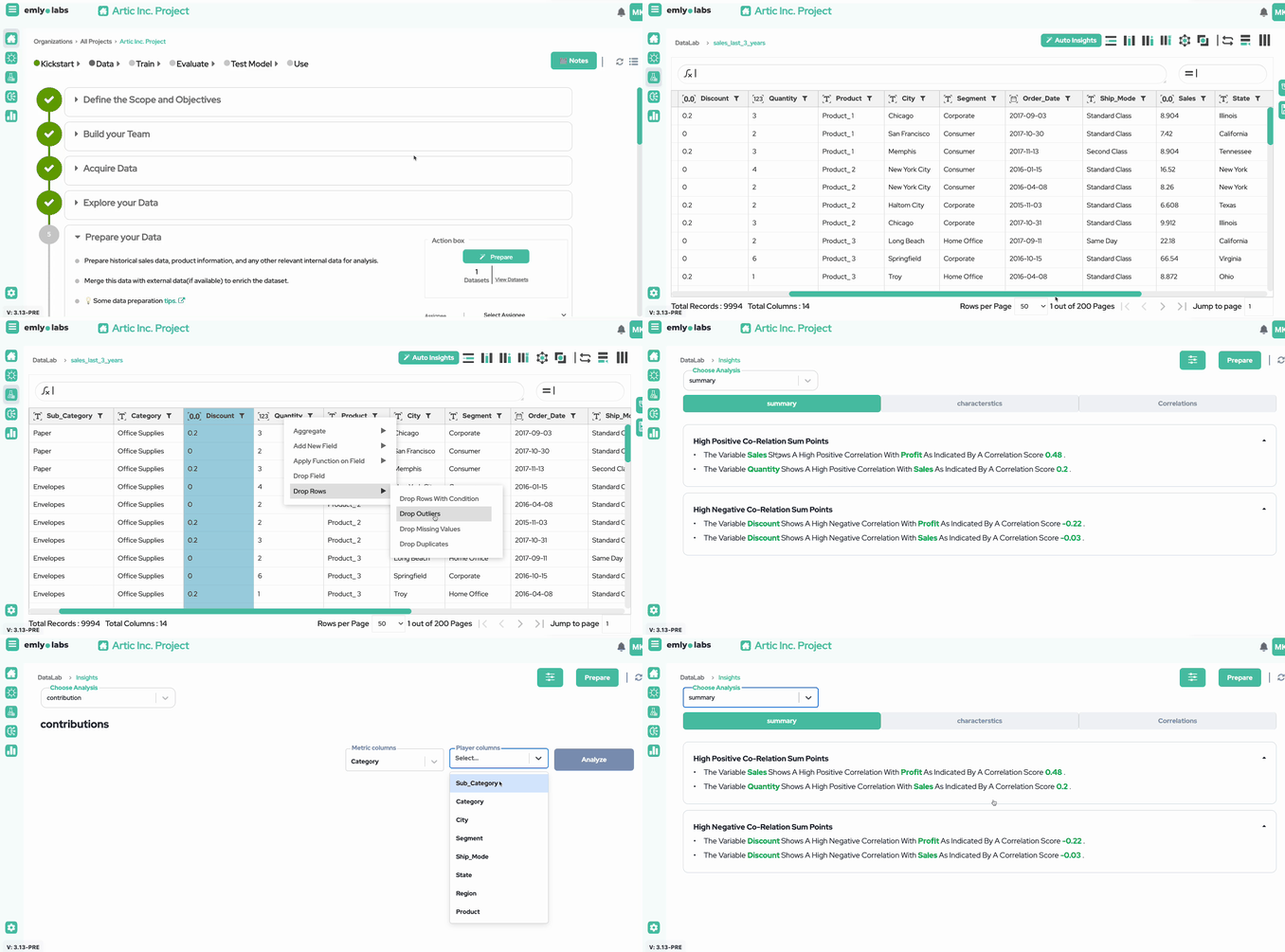
Manage Your AI Projects End-to-End
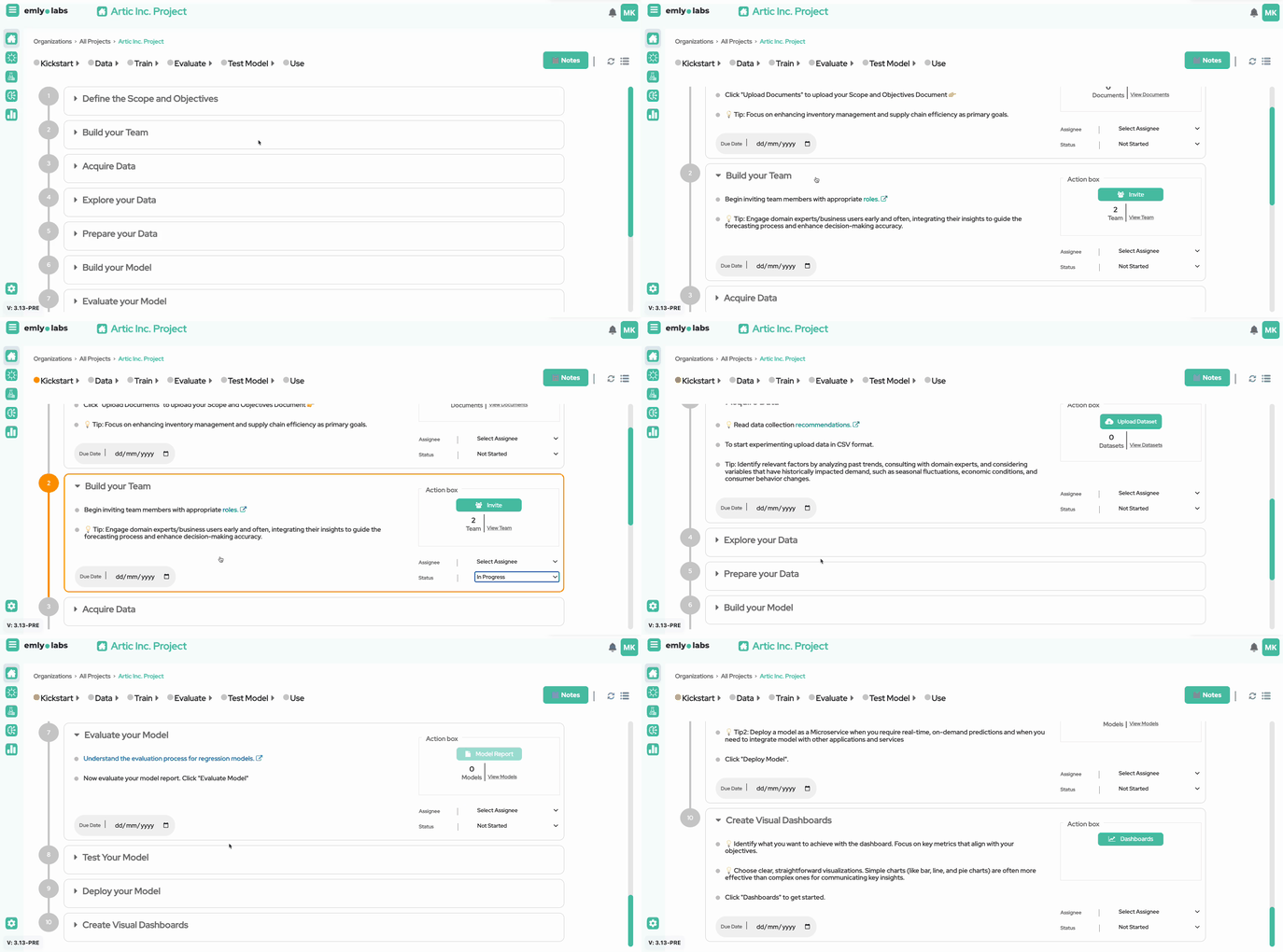
Explore, Prepare and Maintain Data Easily
Model Management: Experiment, Build and Maintain.
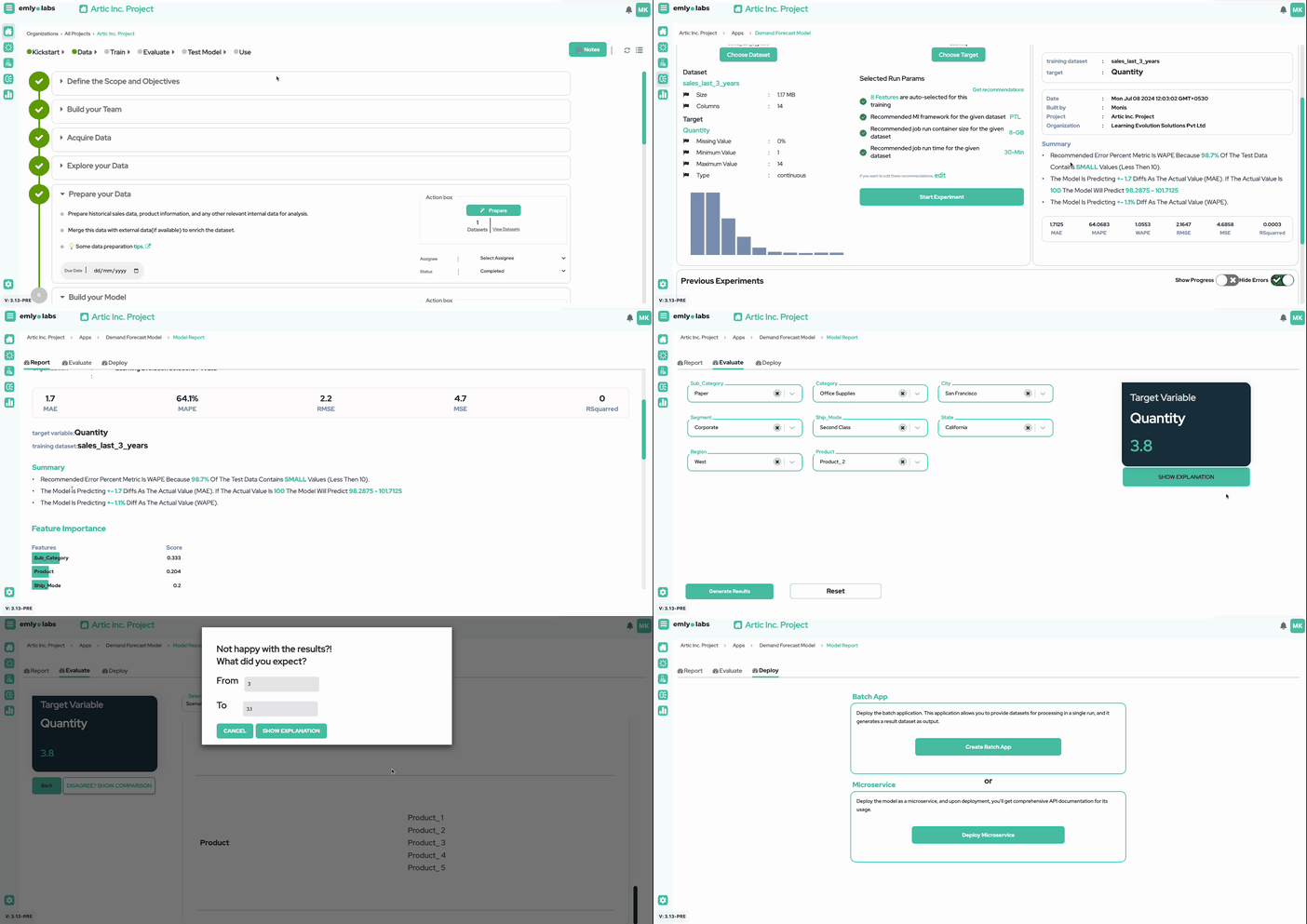
Transform Data into Stunning Vizual Stories

And the best part? You can achieve all this without writing a single line of code.

Explore Other

Case Studies

Metallurgical plants polluting air with toxic smoke from pipes, ecological disaster in Zaporizhzhia, Ukraine

Energy Management

Businesses secure tremendous sales opportunities in the form of leads from various sources. Prioritization of leads based on their likelihood to become customers is based on the ASO’s judgment without complete visibility of the lead life cycle . . .

Industry 4.0 Modern Factory: AI, Machine Learning Enhanced Assembly Process

Production Scheduling

Manufacturing today is a complex dance. Balancing fluctuating demand, resource limitations, and unexpected disruptions can quickly turn your production schedule into a chaotic challenge, causing delayed deliveries, ineffective resource utilization, and cost overheads.

Start Now!

Begin Your Journey of AI-Augmented Decision Making with Emly’s Predictive AI

Image (17)