Emly Header

Inventory Management and Optimization for

Ecommerce

Efficient inventory management in e-commerce reduces costs, prevents stockouts and overstocking, and enhances cash flow. By accurately tracking stock levels and optimizing inventory, businesses meet customer demand swiftly, streamline order fulfillment, and boost profitability, gaining a competitive edge in the dynamic e-commerce market.

Need  expert advice on Inventory Management and Optimization?
Our AI specialists are here to help. Fill out the form below to schedule a call and get personalized guidance on how to leverage AI for your specific needs.

[wpforms id="18678"]

Challenge

In the ever-evolving e-commerce landscape, managing inventory efficiently is a complex and crucial task. E-commerce businesses face constant pressure to maintain the right stock balance to meet customer demand without overstocking, which ties up capital and incurs additional storage costs. Mismanagement can lead to either stockout, resulting in lost sales, increased lead times, dissatisfied customers, or excess inventory, which can lead to significant markdowns and wasted resources.

Solution

AI-driven inventory management systems transform the way e-commerce businesses handle their stock. By analyzing historical sales data, customer purchasing behavior, and various external factors, AI provides accurate predictions for inventory needs. This data-driven approach enables businesses to optimize their stock levels, reduce carrying costs, and ensure that popular items are always available when customers want them.

Insights That Matter
magnify-icon
Predict demand accurately to optimize inventory levels.
magnify-icon
Ensure high-demand products are in stock and obsolete items are minimized.
magnify-icon
Reduce lead times and costs, enhancing overall efficiency and profitability.

Benefits

A well-optimized inventory system is crucial for customer satisfaction and efficiency. AI-driven inventory management in e-commerce streamlines operations, reduces costs, and boosts the bottom line. It predicts demand, automates replenishment, and optimizes warehouse operations, minimizing overstock and stockouts. This ensures timely deliveries and better product availability, enhancing the customer experience and driving business success.

Direct Benefits
Indirect Benefits

Good Practices to Build Inventory Management and Optimization

Build Right Team

Creating an effective inventory management and optimization solution necessitates a team with a mix of diverse, complementary skills. A well-rounded team ensures both technical precision and business relevance. Here are two essential roles you should include,

  • Business Experts with in-depth knowledge of supply chain management, inventory strategies, and demand forecasting.
  • Data Science experts skilled in analyzing inventory data and crafting predictive models to optimize stock levels and minimize holding costs.


Recommendation: Build your own AI capability
Upskill your existing workforce. Modern, user-friendly AI technologies enable non-technical individuals to develop AI solutions. To ensure successful implementation, hands-on AI training should be provided to all team members, from business teams to supply chain experts. This approach not only leverages current talent but also delivers direct value by bring in valuable business insights to build better demand forecasting solution. 

Identify Right Data

Collecting the appropriate data is vital for developing a precise and dependable AI-based inventory management and optimization solution. Utilizing both external and internal data sources offers a thorough understanding of the factors impacting inventory levels. Here are some recommendations

Internal Data 
  • Sales Data
  • Inventory Levels
  • Customer Demand Forecasts
  • Order Lead Times
  • Product Attributes
  • Return Data
  • Marketing Data
  • Customer Feedback
  • Pricing Data
External Data
  • Economic Indicators
  • Competitor Data
  • Weather And Seasonality

You can use our Emly Labs Data Scout GPT for identifying data for training your AI models, with clear, actionable advice.

Define Objectives

Defining clear objectives and goals is vital for effective inventory management and optimization in the retail sector. By aligning with the overall business strategy and setting measurable targets, retailers can enhance the precision and efficiency of their inventory management processes

  • Align with business strategy to support overall growth and efficiency.
  • Set specific and measurable goals using SMART criteria.
  • Determine key performance indicators (KPIs) like forecast accuracy and inventory turnover.
  • Establish short-term, medium-term, and long-term forecasting periods.
  • Compare new forecasting methods with existing ones to gauge improvement.
  • Define ROI goals to evaluate the financial benefits of improved forecasting.

Choose the Right Tools

Right tools can significantly improve chances of successful implementation. They facilitate collaboration, rapid experimentation and provide clear, understandable insights. 

    1. Don’t reinvent the wheel; leverage existing, proven AI tools that save time and effort.
    2. Accessibility: Choose tools that are user-friendly and can be used by the entire team.
    3. Clarity: Opt for tools that are easy to understand for users of all skill levels.
    4. Collaboration: Select tools that support teamwork across different departments.
    5. Cost-Effectiveness: Implement tools that are affordable and offer good value.
    6. Experimentation: Use tools that allow for rapid testing and iteration of models.
    7. Explainability: Choose tools that provide clear explanations for forecasts to build trust and understanding among users.

Adopt Industry Best Practices with Emly Labs

Learn how Emly Labs equips your team to implement the most efficient inventory management and optimization techniques. Our platform applies industry best practices to manage AI projects, enhancing productivity, promoting collaboration, ensuring data accuracy, and providing actionable insights.

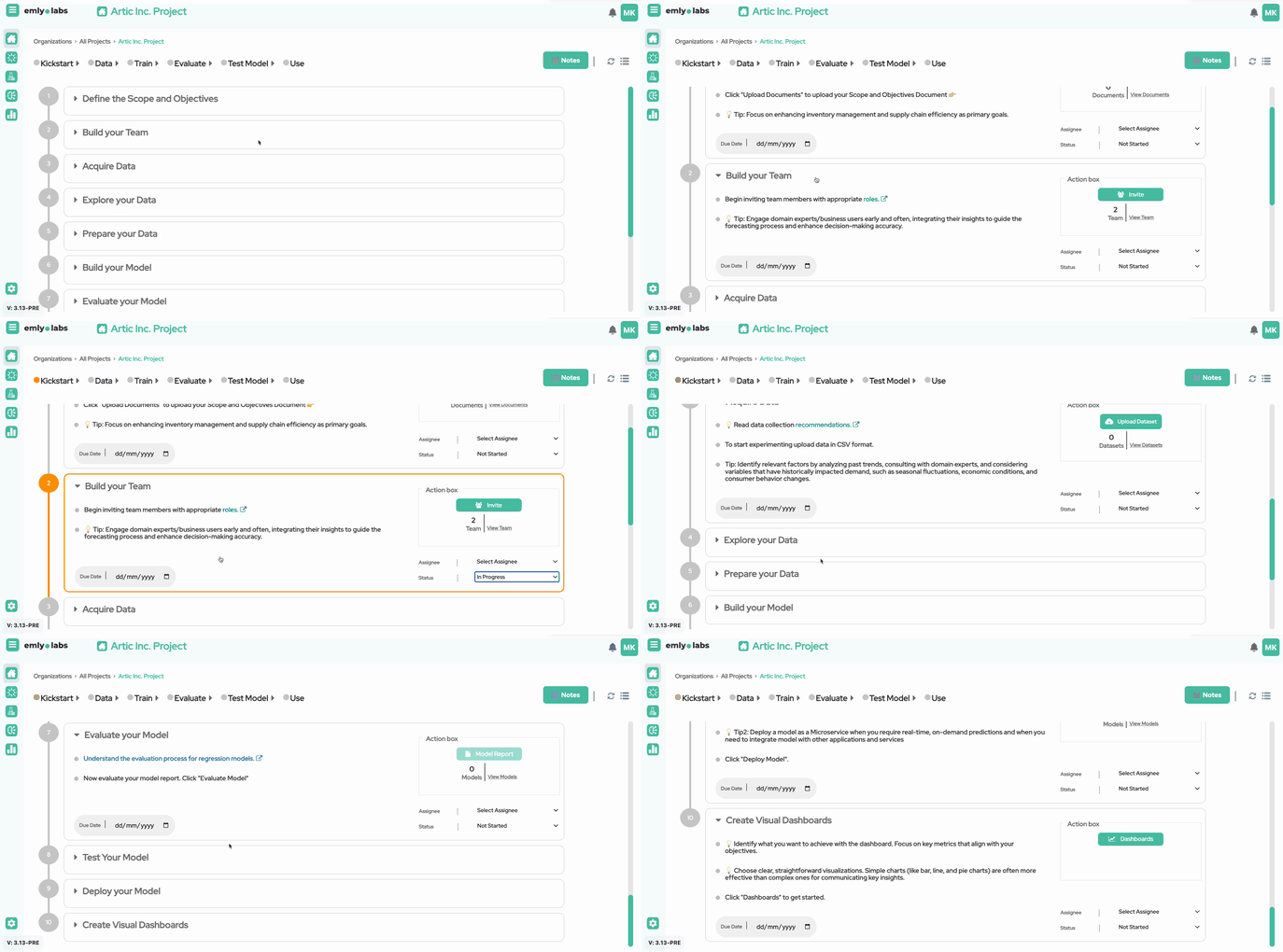
Manage Your AI Projects End-to-End
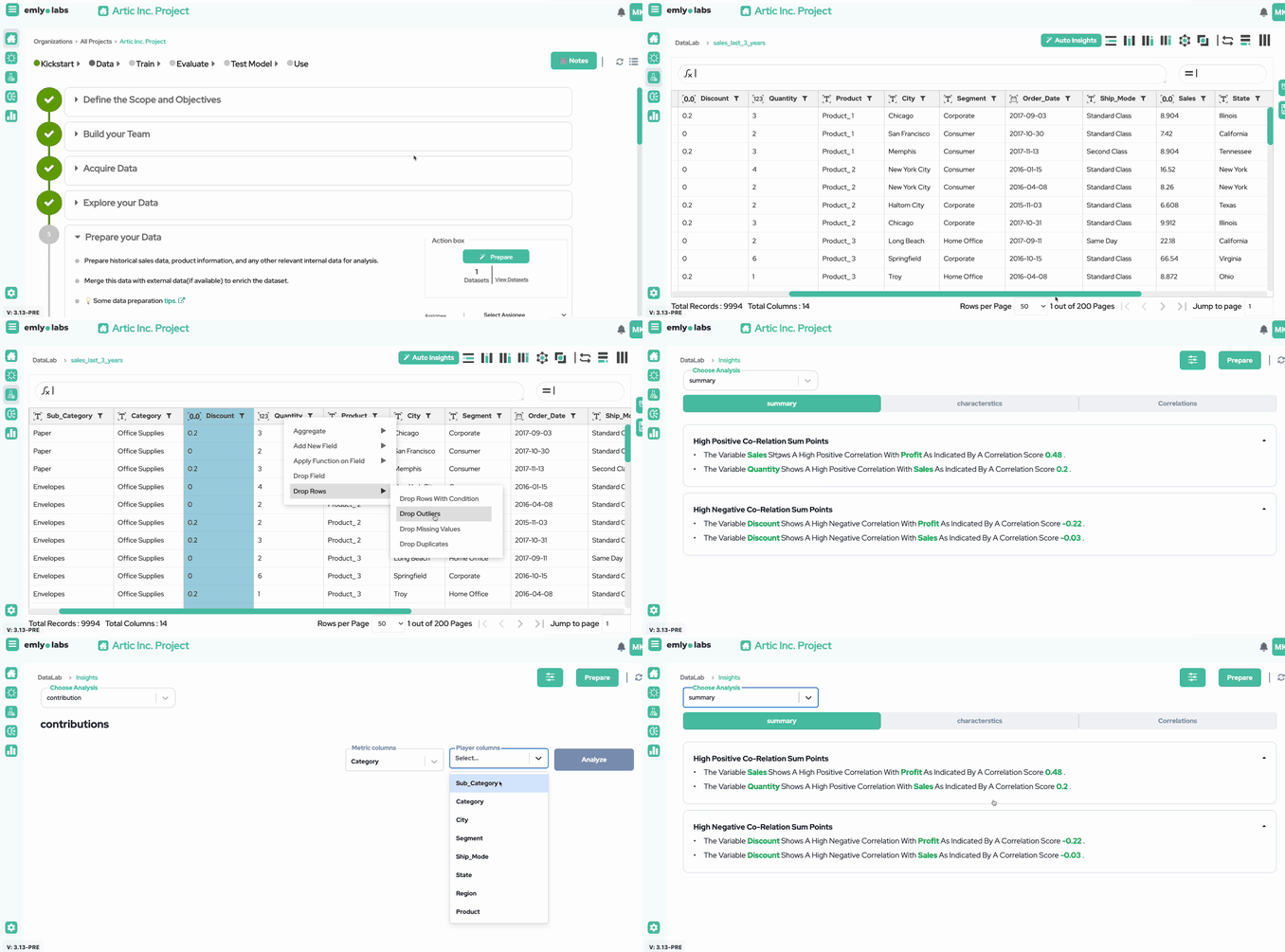
Explore, Prepare and Maintain Data Easily
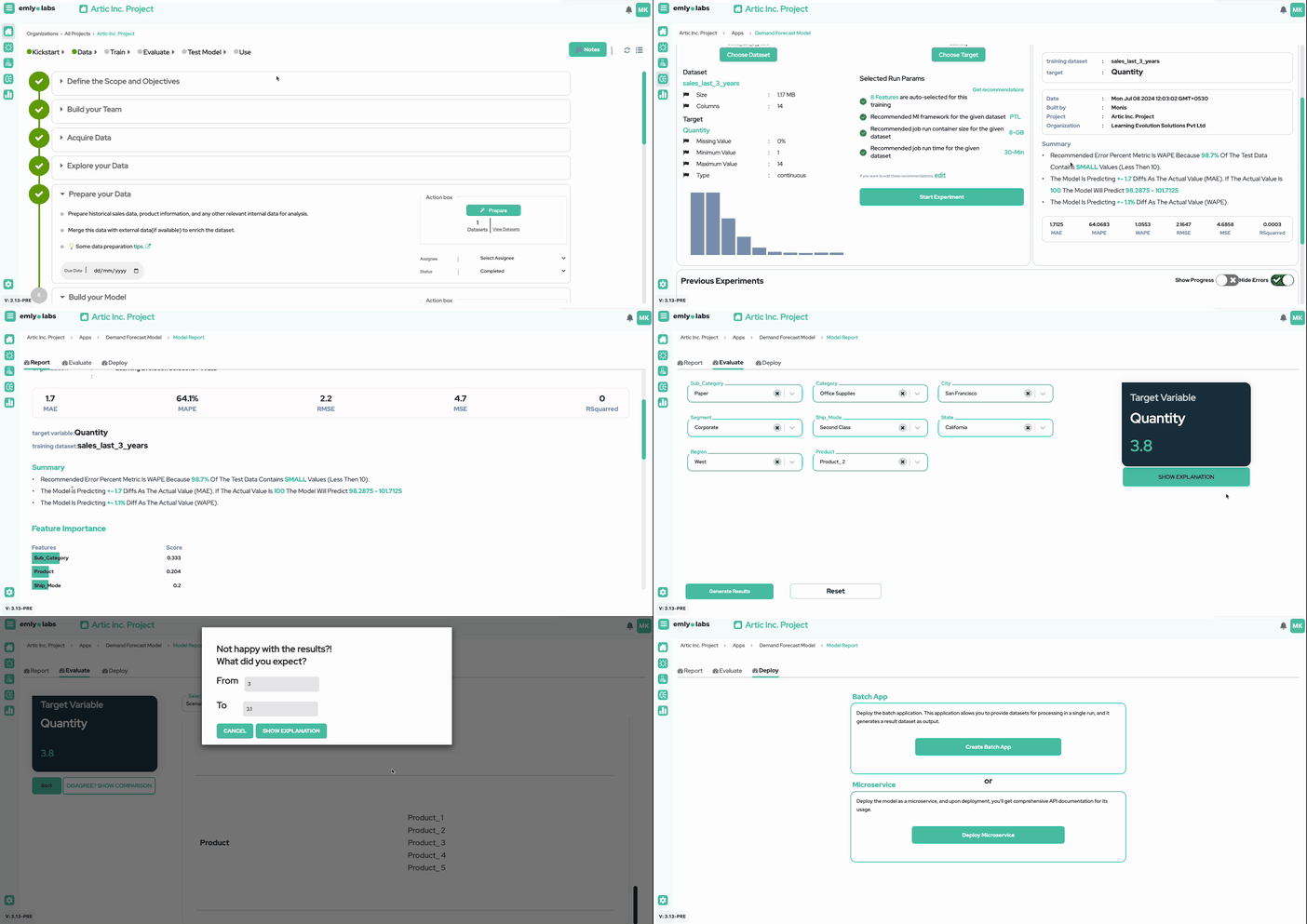
Model Management: Experiment, Build and Maintain.
Transform Data into Stunning Vizual Stories

And the best part? You can achieve all this without writing a single line of code.

Explore Other

Case Studies

Marketing segmentation, customers care, customer relationship management (CRM) and team building concepts.

Customer Segementation

Understanding customer segments is the key to unlocking success in today’s competitive e-commerce landscape. By segmenting customer base, businesses can tailor marketing strategies, personalize customer experiences, and develop targeted products and services. This data-driven approach leads to increased customer satisfaction, boosted sales, optimized marketing efforts, and ultimately, thriving customer loyalty and overall business growth.

Upselling, marketing and sales  strategy concept. Sales technique encourages customers to purchase a more expensive, additional product, service, upgrade. Boost profits, improve customer satisfaction

Targeted Upselling and Cross-Selling

Leveraging customer insights for personalized upselling and cross-selling boosts sales and enhances the shopping experience. By analyzing purchase history, browsing behavior, and demographics, e-commerce businesses can recommend higher-value products or complementary items. This increases conversion rates and average order value, while enhancing customer satisfaction and driving sustained revenue growth.

Start Now!

Begin Your Journey of AI-Augmented Decision Making with Emly’s Predictive AI

Image (17)