Customers consider various factors when deciding on purchases, with price being a critical determinant that significantly shapes their initial perceptions and buying behavior. While short-term discounts can stimulate sales, it’s essential to evaluate their impact on overall revenue and profitability carefully.
Establishing and adjusting pricing to attract customers is demanding, compounded by the constantly changing market conditions, consumer preferences, and rapidly evolving competitive environment. Setting prices too high may scare off potential customers and lead to lost revenue opportunities, while pricing too low can erode profit margins, making it crucial to find the right balance.
AI assists businesses in navigating these challenges by determining optimal pricing strategies by analyzing historical trends, demand spikes, pricing changes, and more to take advantage of or mitigate the effects of price sensitivity, enabling retailers to stay competitive while maintaining customer satisfaction and profitability.
Implementing AI for price sensitivity allows businesses to optimize pricing strategies, driving increased sales, revenue, and market share. By aligning prices with real-time demand and competitive landscape, AI maximizes profit margins.
Developing a price sensitivity solution requires a diverse team with complementary skills. The right team ensures both technical accuracy and business relevance. Here are two critical roles you need,
Recommendation: Build your own AI capability
Upskill your existing workforce. Modern, user-friendly AI technologies enable non-technical individuals to develop AI solutions. To ensure successful implementation, hands-on AI training should be provided to all team members, from business teams to supply chain experts. This approach not only leverages current talent but also delivers direct value by bring in valuable business insights to build better demand forecasting solution.
Gathering the right data is essential for developing an accurate and reliable AI-based price sensitivity analysis. Incorporating both external and internal data sources provides a comprehensive understanding of the factors affecting price sensitivity. Here are some recommendations,
You can use our Emly Labs Data Scout GPT for identifying data for training your AI models, with clear, actionable advice.
Setting clear objectives and goals is crucial for successful price sensitivity analysis in the retail sector. By aligning with business strategy and establishing measurable targets, retailers can enhance the accuracy and effectiveness of their pricing strategies.
Right tools can significantly improve chances of successful implementation. They facilitate collaboration, rapid experimentation and provide clear, understandable insights.
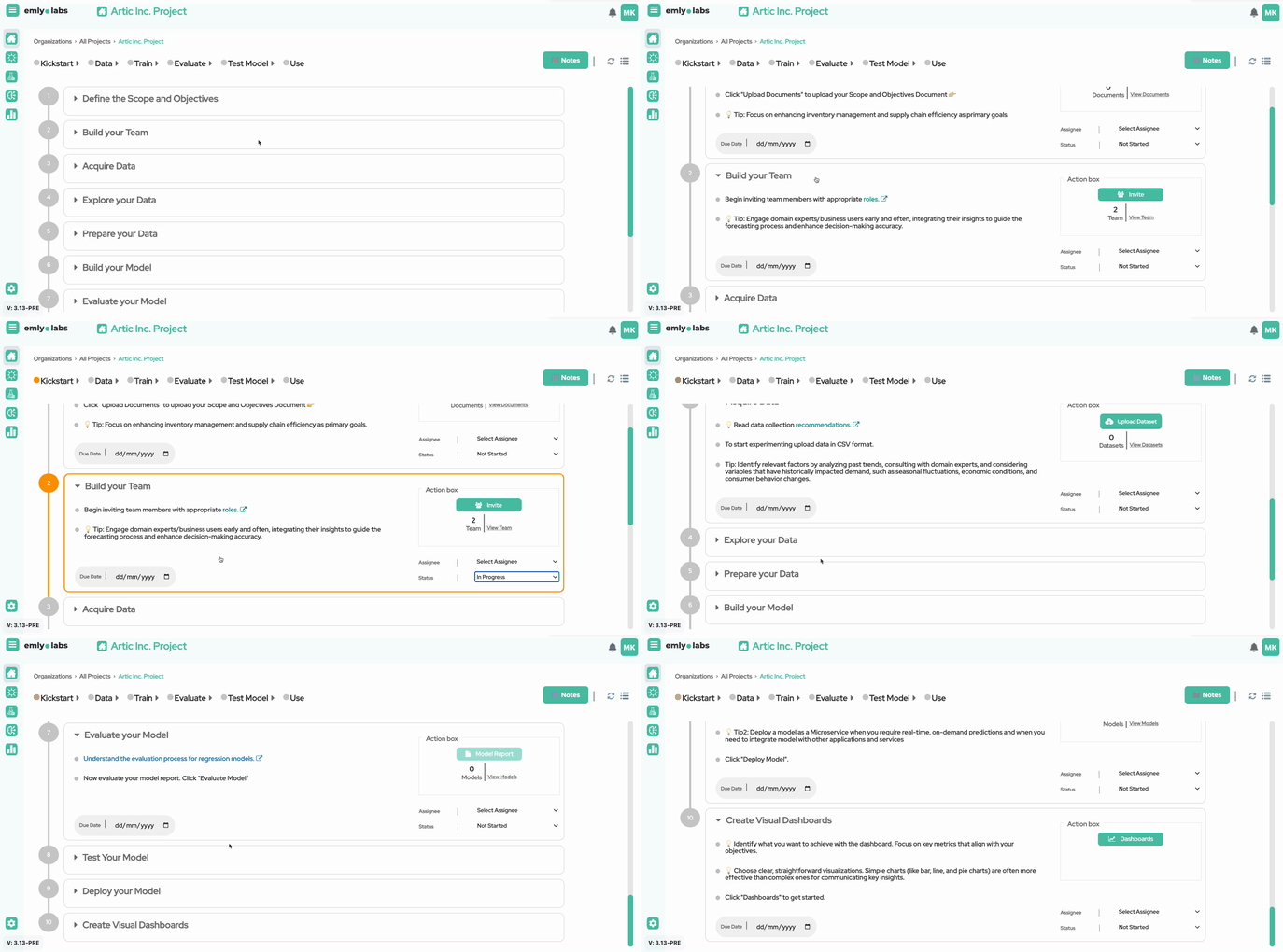
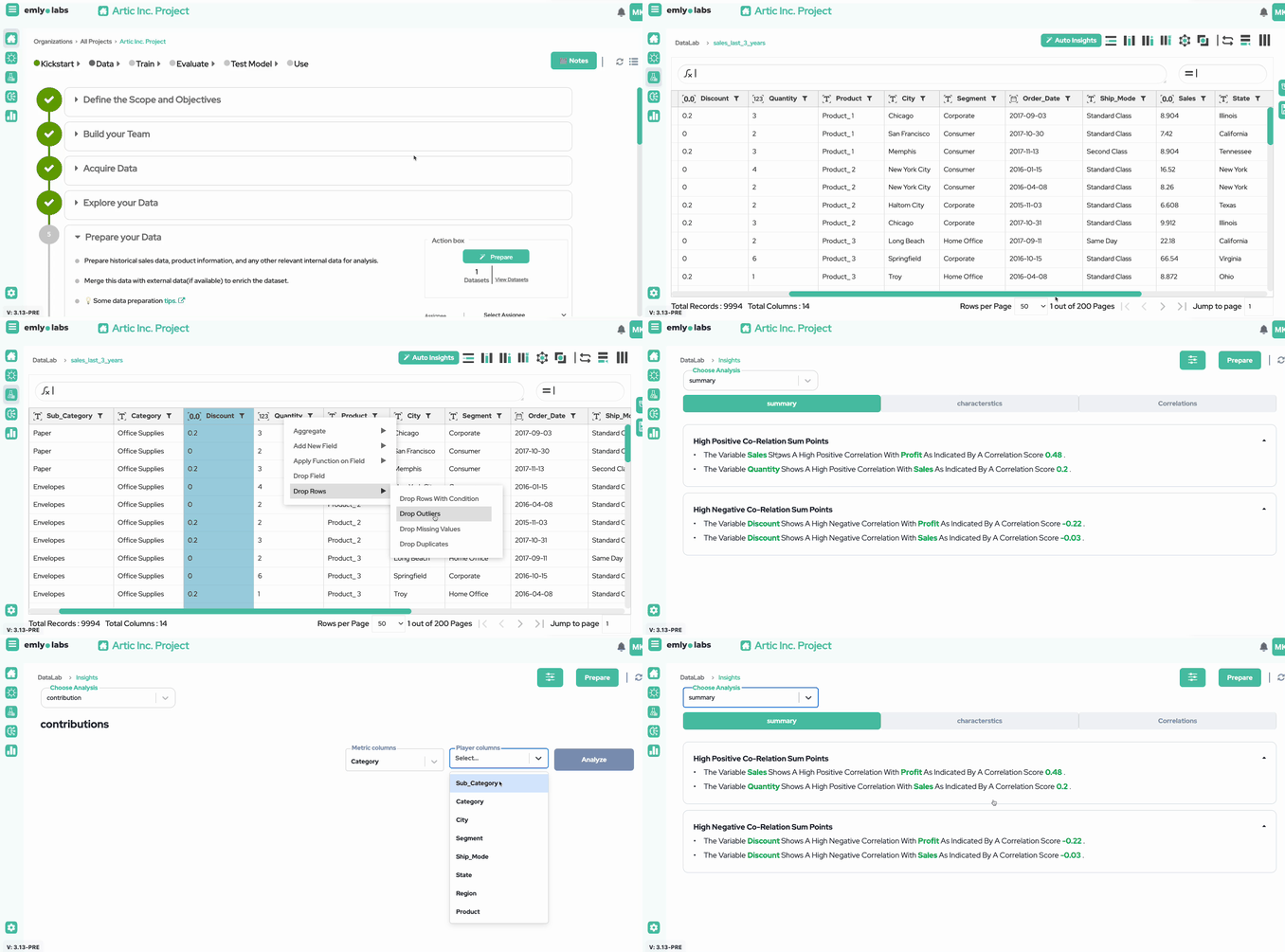
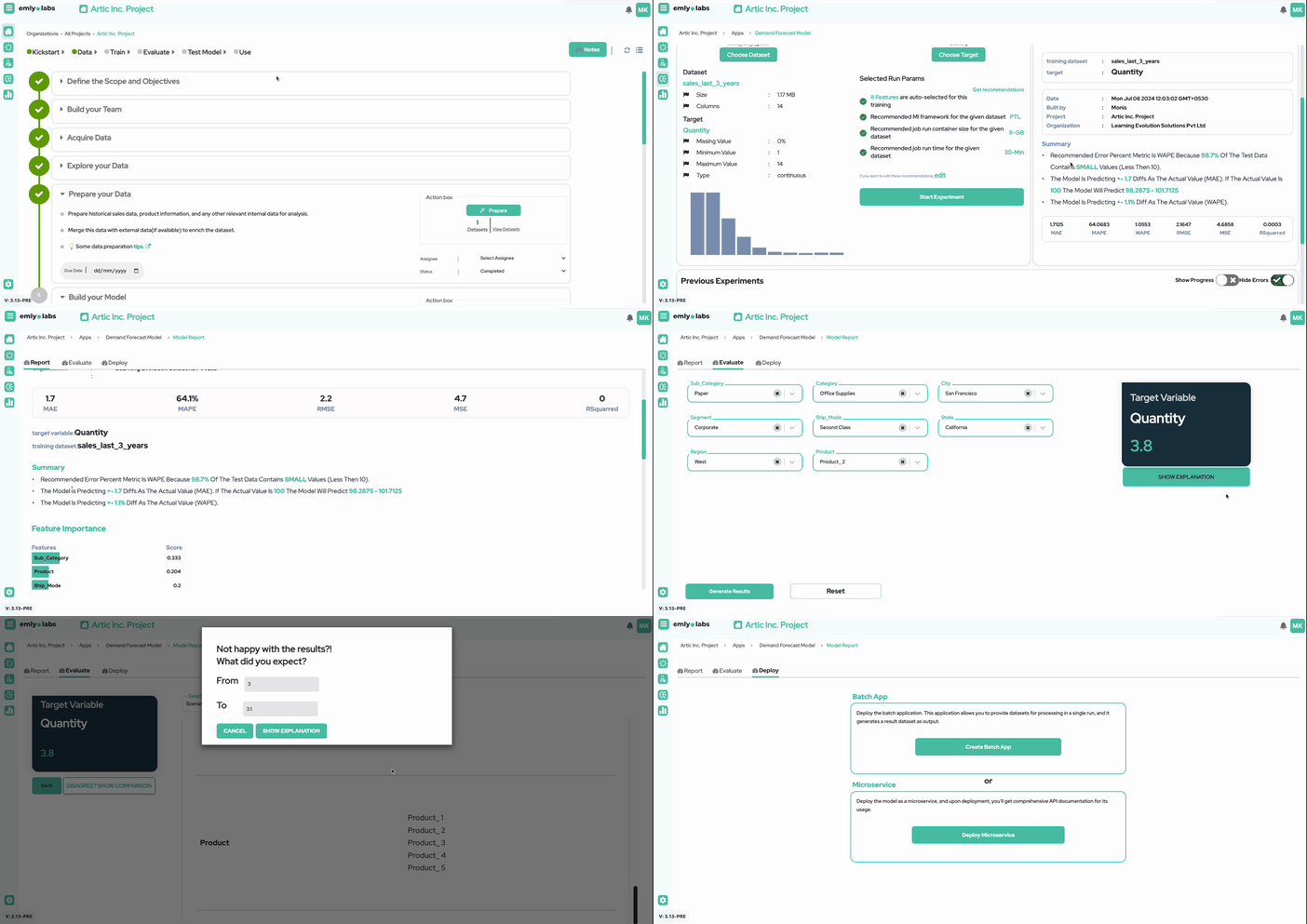
Discover how Emly Labs empowers your team to implement the most effective price sensitivity analysis techniques. Our platform leverages industry best practices to manage AI projects, boosting productivity, fostering collaboration, ensuring data accuracy, and delivering actionable insights.
In the business world, customer retention reigns supreme. Acquiring new customers is inherently more costly than retaining existing ones. High churn rates lead to substantial financial burdens, including lost revenue and increased customer acquisition costs. Therefore, effectively predicting and mitigating customer churn is crucial for any company’s strategy.
Predicting future customer demand for products enables businesses to make better decisions regarding inventory management, production planning, and supply chain operations. Accurate demand forecasting helps companies minimize costs, enhance customer satisfaction, and optimize resource allocation.
Begin Your Journey of AI-Augmented Decision Making with Emly’s Predictive AI